Lights Burn Dimmer
Finally, some sunshine - and it only took until the last day of February to appear. After what felt like an eternity spent living inside a cloud, the sky finally opened to a patch of blue. Just enough time to step outside and soak up a little spring warmth.
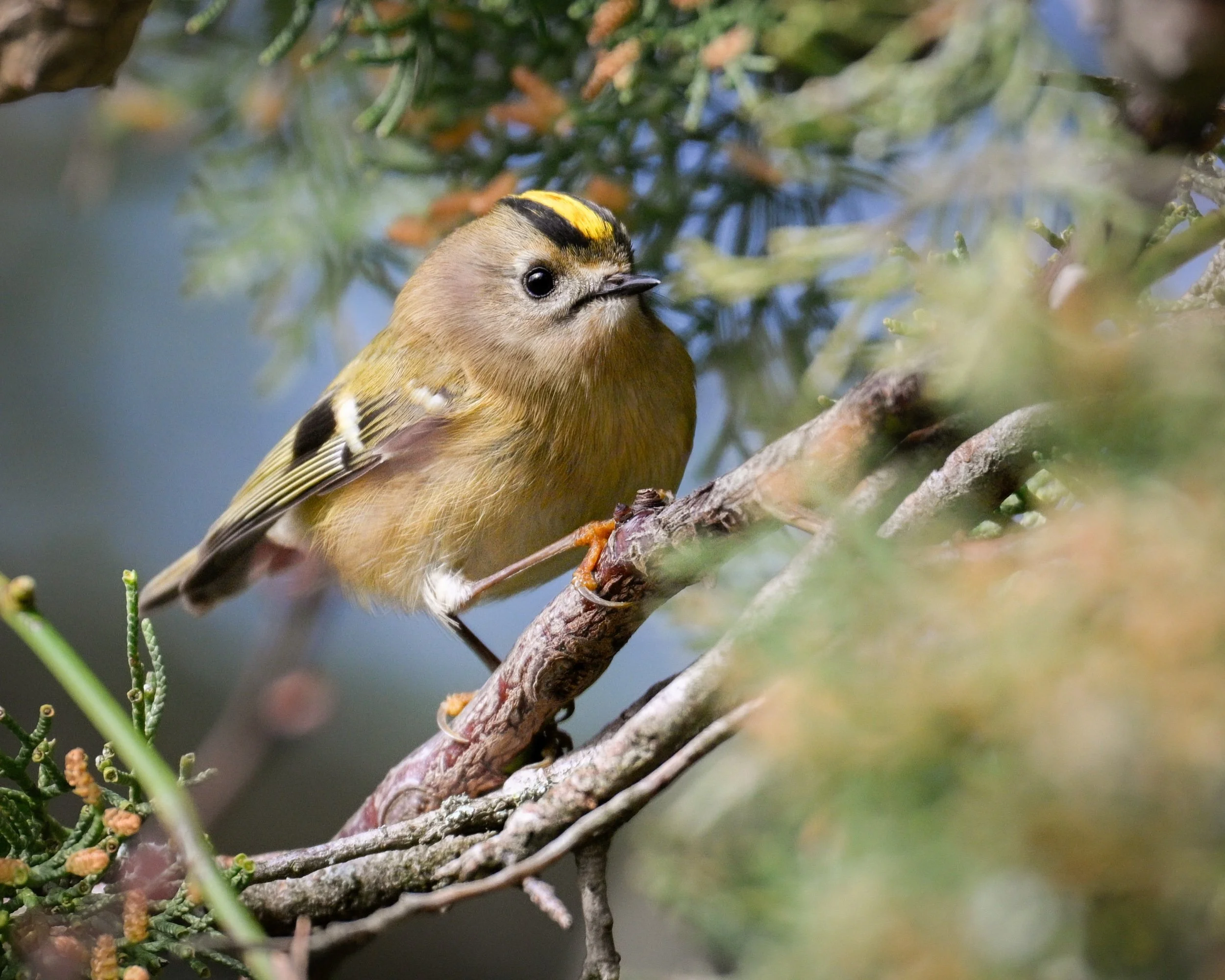
Alongside the Goldcrest, I was fortunate enough to spot - and photograph - a far rarer seasonal visitor to our shores: the Firecrest. Smaller than many might expect, yet striking in appearance, it flashed through the branches with restless energy, its vivid markings catching the light whenever it paused for a fleeting moment.
Encounters like this always feel a little special, a brief privilege rather than a given. The Firecrest’s quick movements and preference for staying tucked within the cover of foliage made the sighting all the more rewarding, and managing to capture it on camera felt like a small triumph.
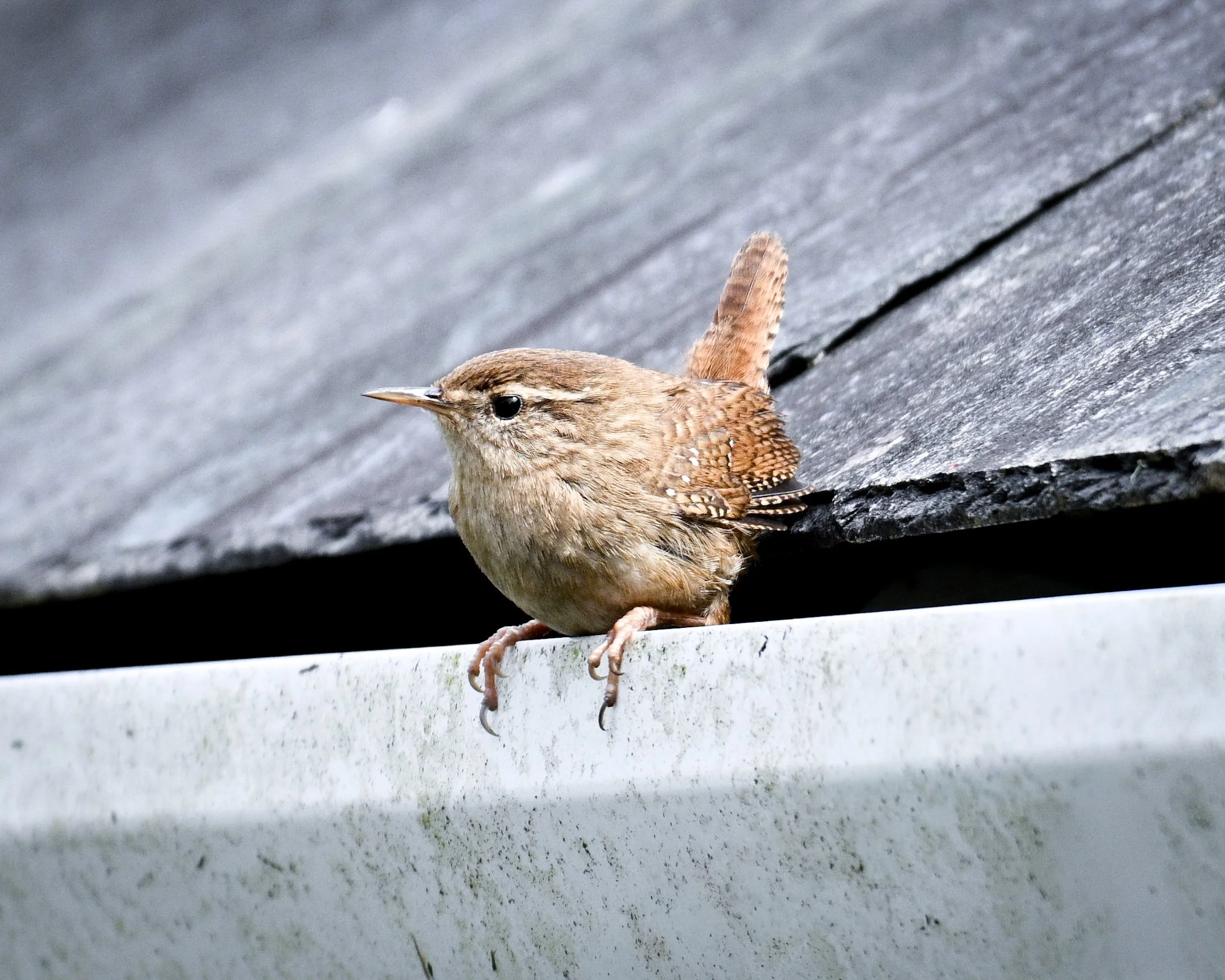
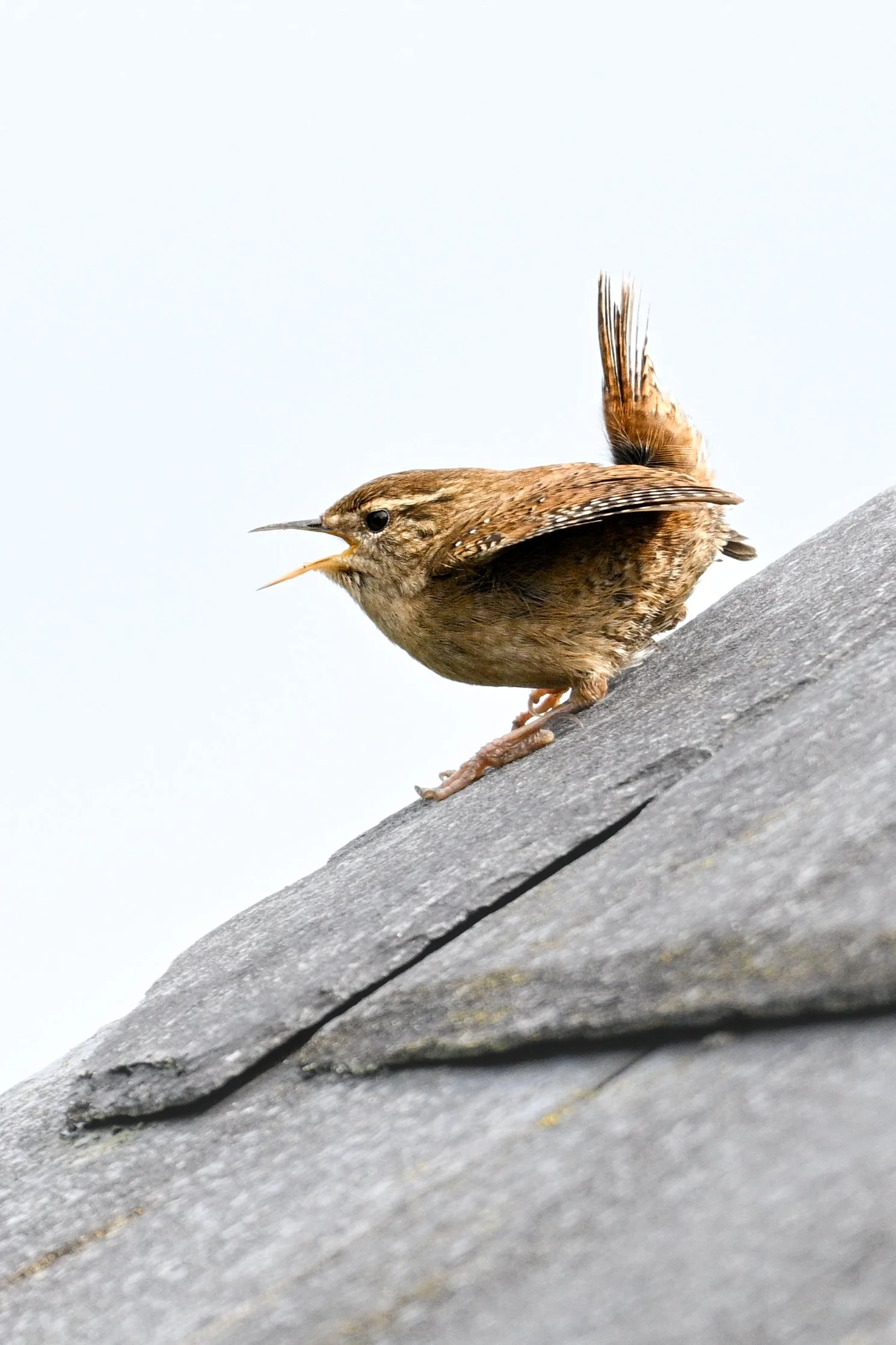
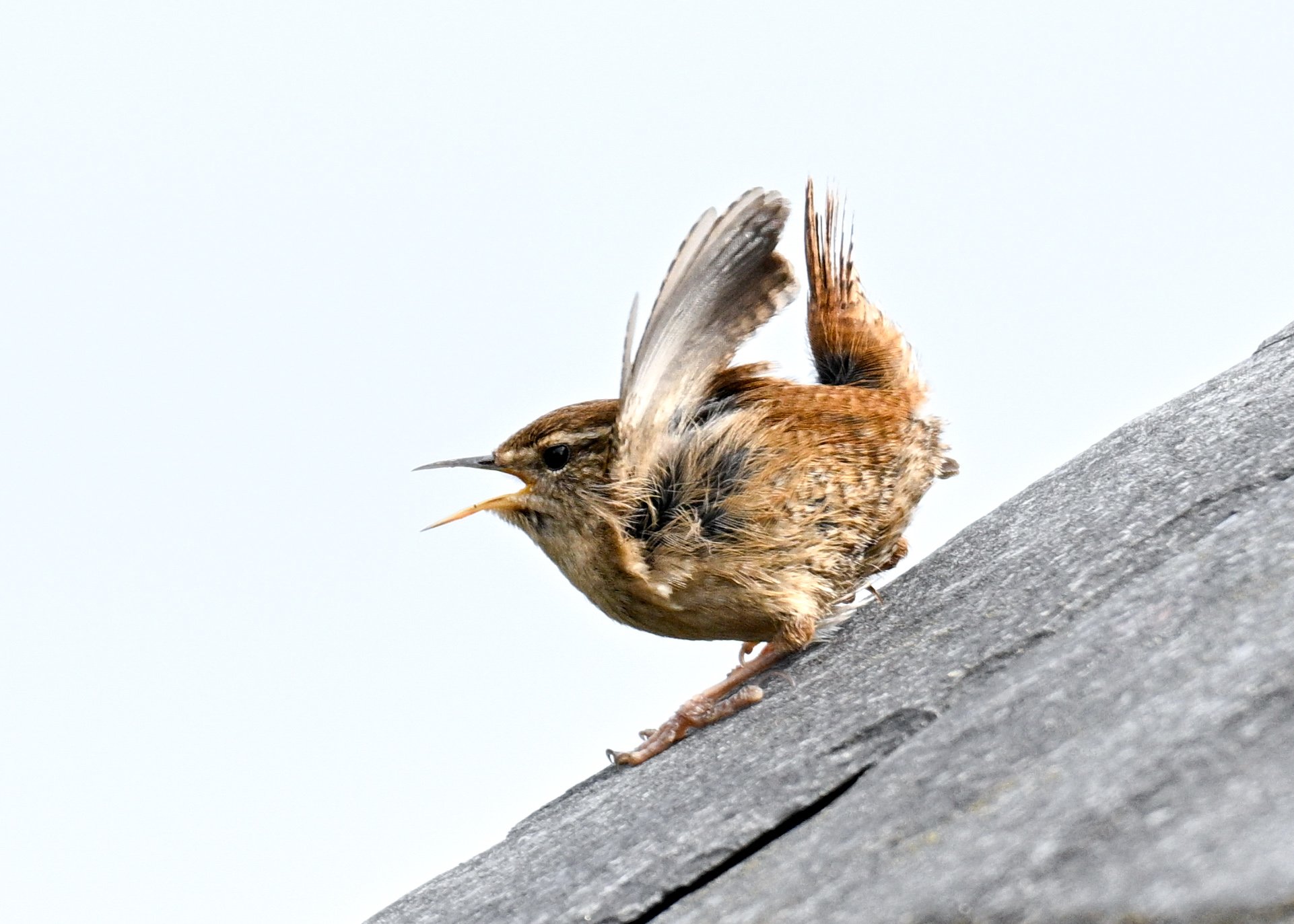
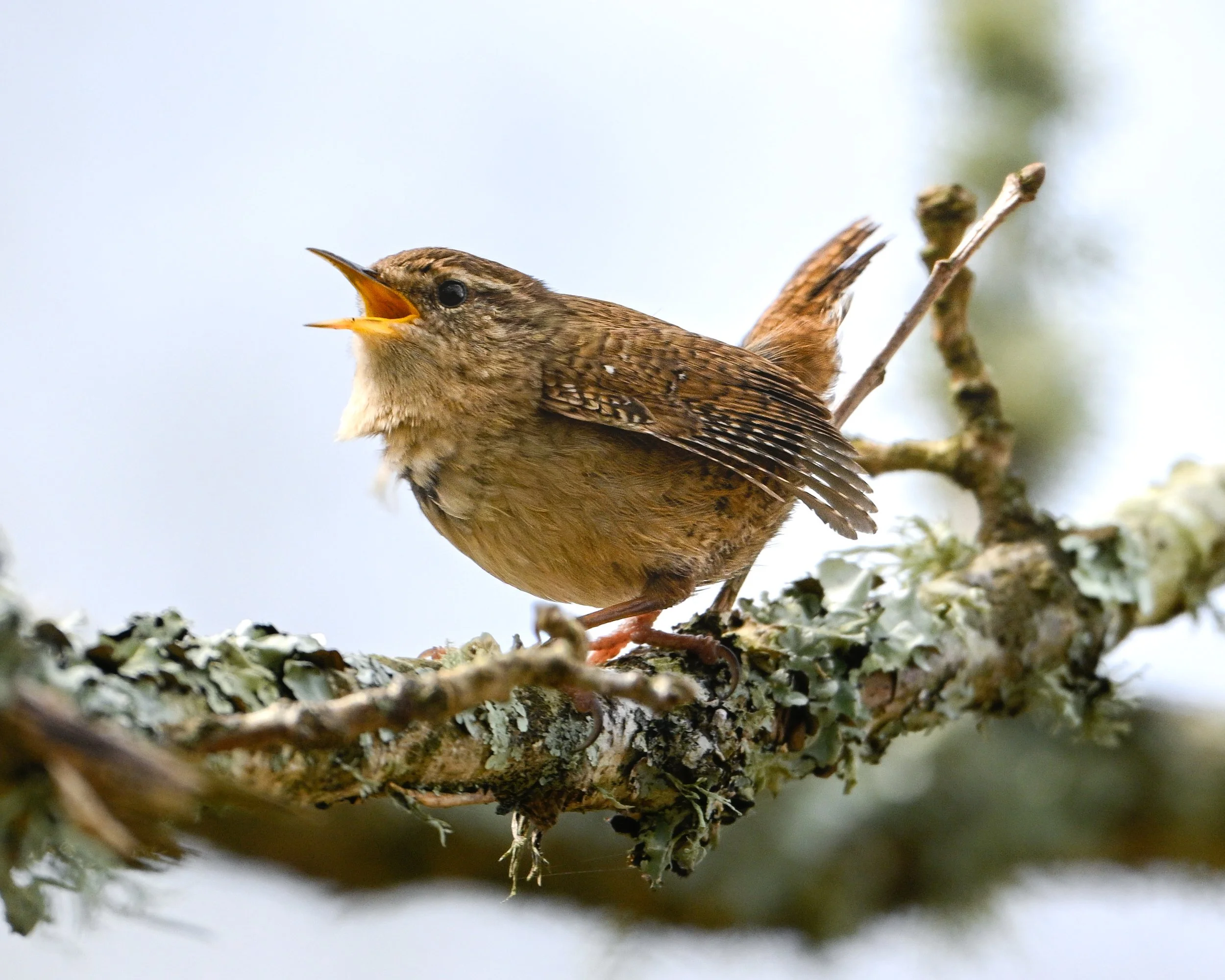
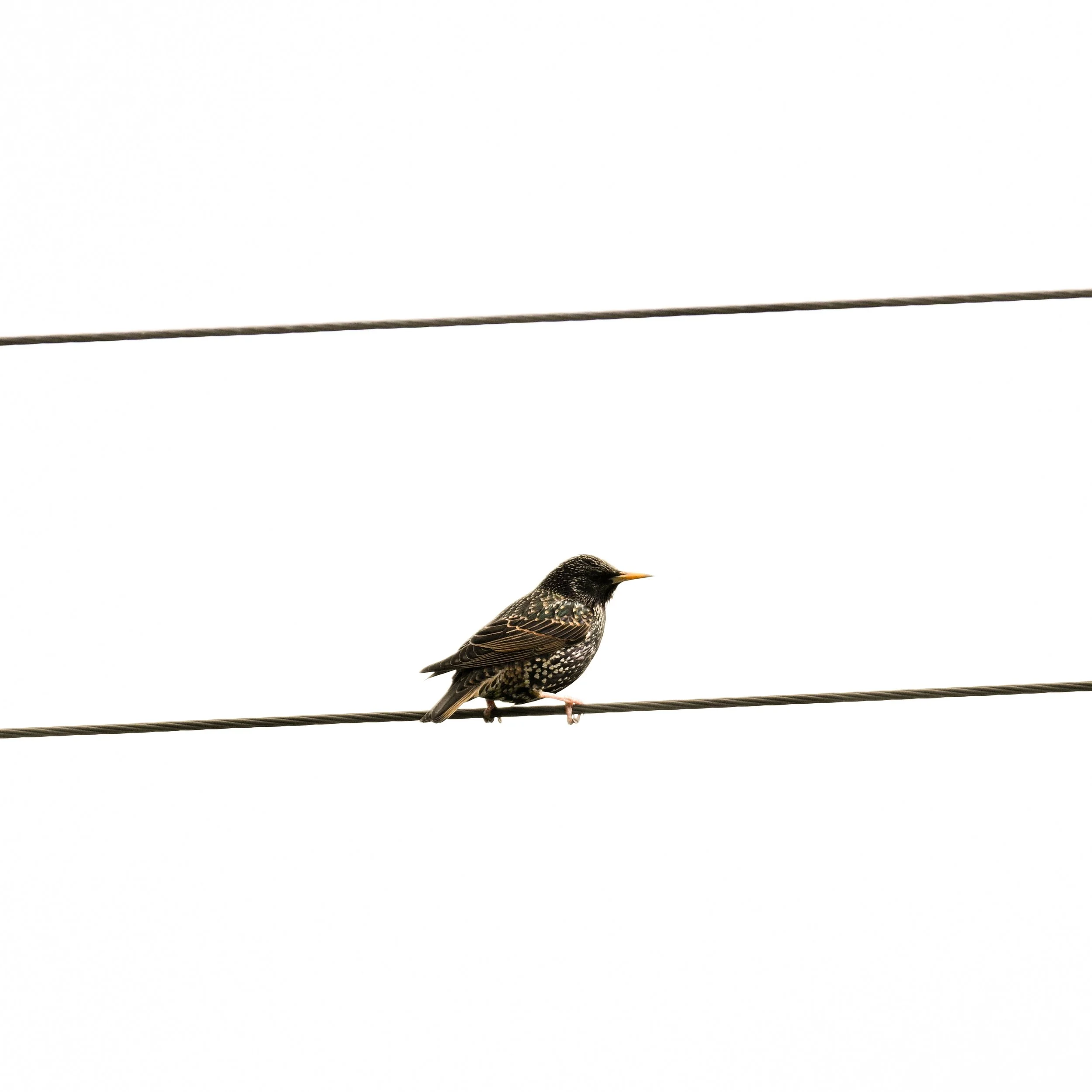
The small bird bonanza continued over the coming few weeks from wrens to stonechats and linnets either furiously defending their territory or taking materials to use for their nests. Spring has officially sprung in 2026.
Photographing shags was my next challenge as they made their nests on the side of cliffs off the coast of Cornwall. The birds were quite far away on the dark background of the cliff side making getting a useable image of these almost totally black birds very difficult indeed. I found that as I was having to crop in, noise was very noticeable which does seem to be an issue when photographing darker subjects like the shag and later on the coughs.
The seals were equally difficult to photograph as they were again a long way away from my position up on the cliffs looking down at them as they bobbed in the surf. This again meant cropping quite far into the image to get a useable photo.
Photographing birds in flight has always been a real challenge, with my previous Fujifilm setup often struggling to keep up and reliably track the subject. Since switching to the Nikon Z8 paired with the Nikkor Z 180-600mm f/5.6-6.3 VR, the experience has been transformed.
The Z8’s fast, intelligent subject detection and 3D tracking lock onto birds with impressive accuracy, even against busy backgrounds or unpredictable flight paths. Its high burst rate and deep buffer make it far easier to capture the exact moment I want, while the lens’s long reach, sharpness, and effective vibration reduction help keep images crisp even at distance. Together, they make following fast, erratic movement feel far more natural and reliable, turning what used to be a frustrating exercise into an enjoyable and far more successful part of photographing birds in flight.
I was also lucky enough to Photograph the rare choughs along the Cornish cliffs with the Nikon Z8 was a memorable experience, made all the more rewarding by how effortlessly the camera handled their swift, acrobatic flight. Once lost to England for centuries and now slowly re-establishing themselves along this stretch of coastline.
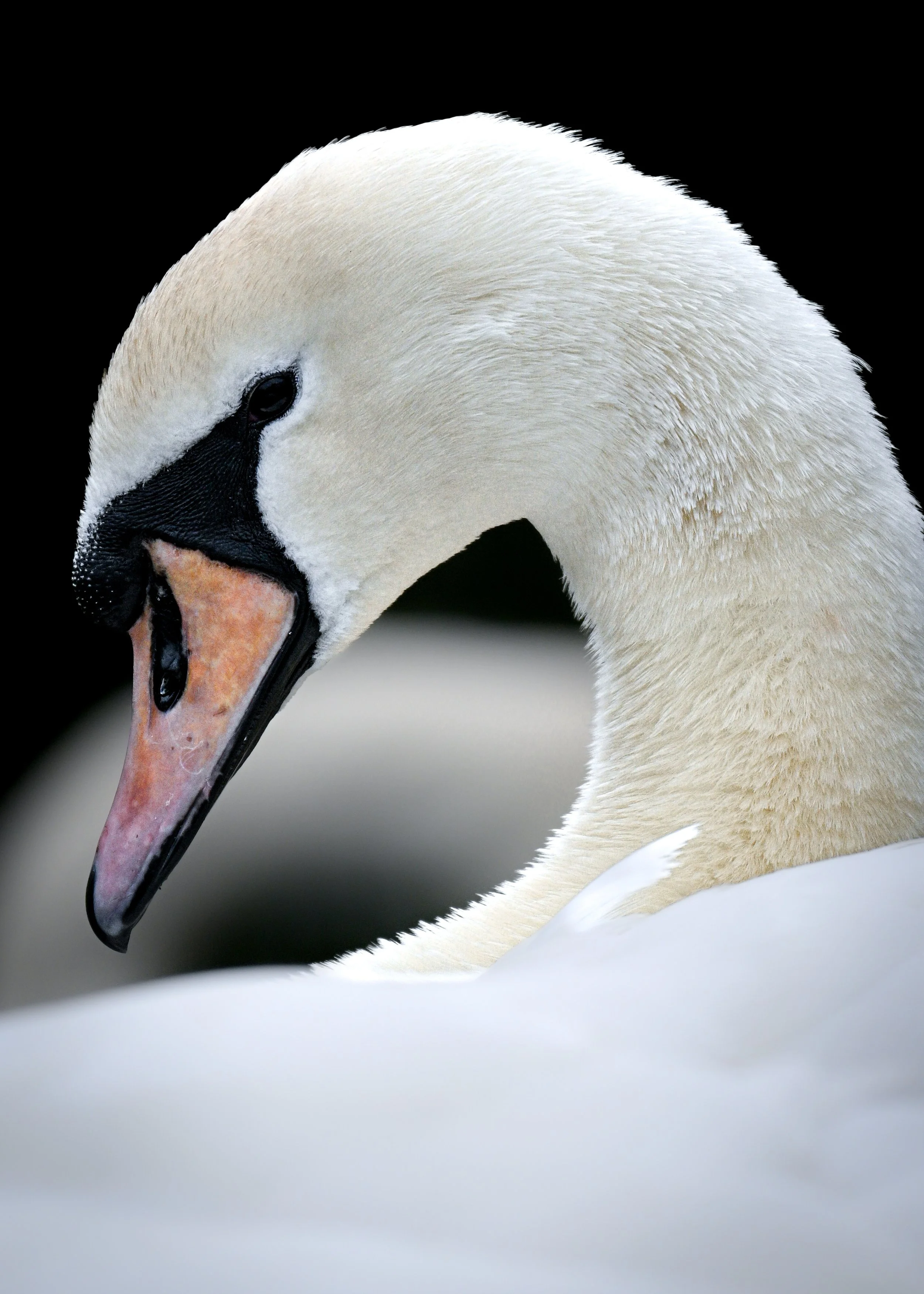
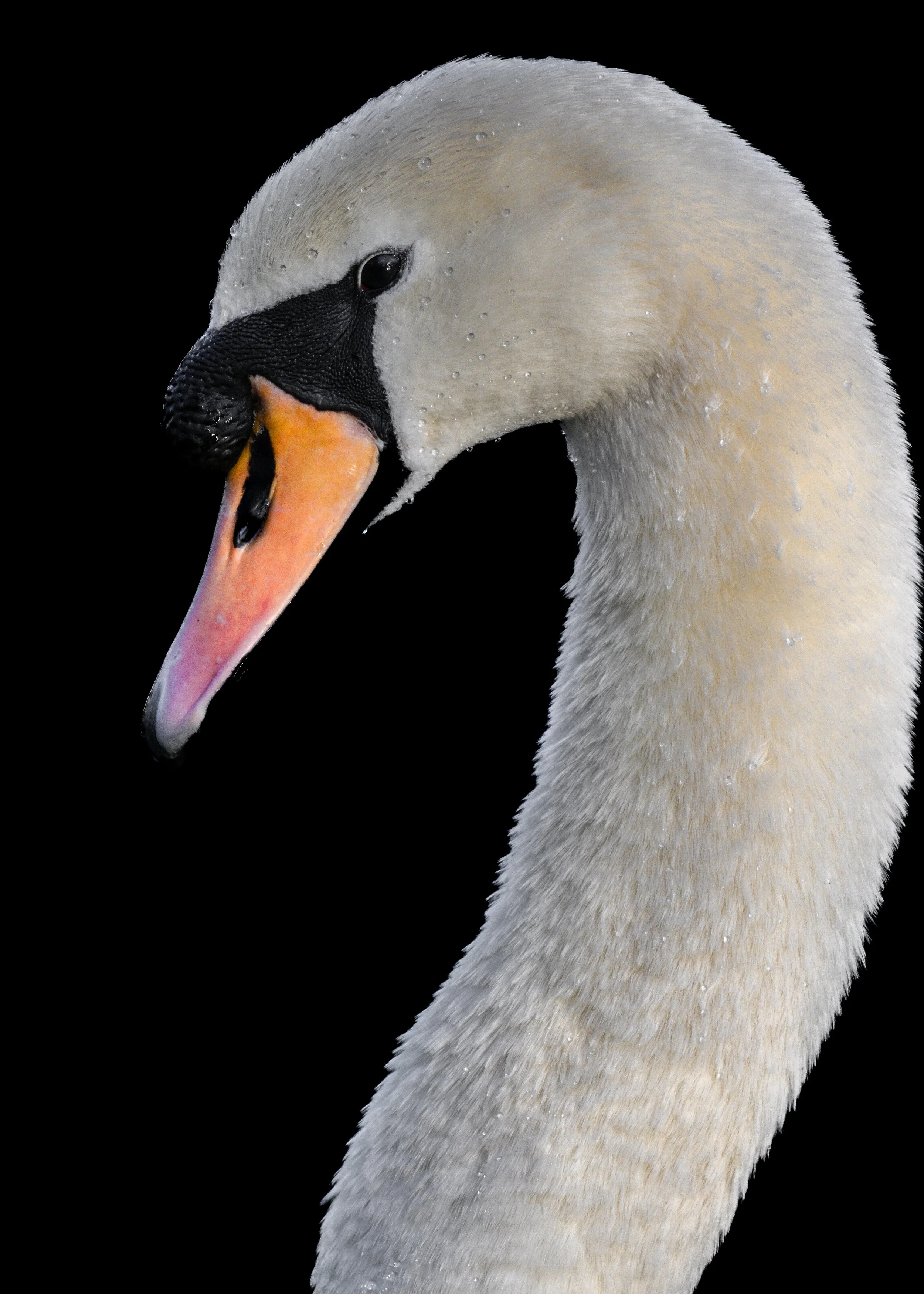
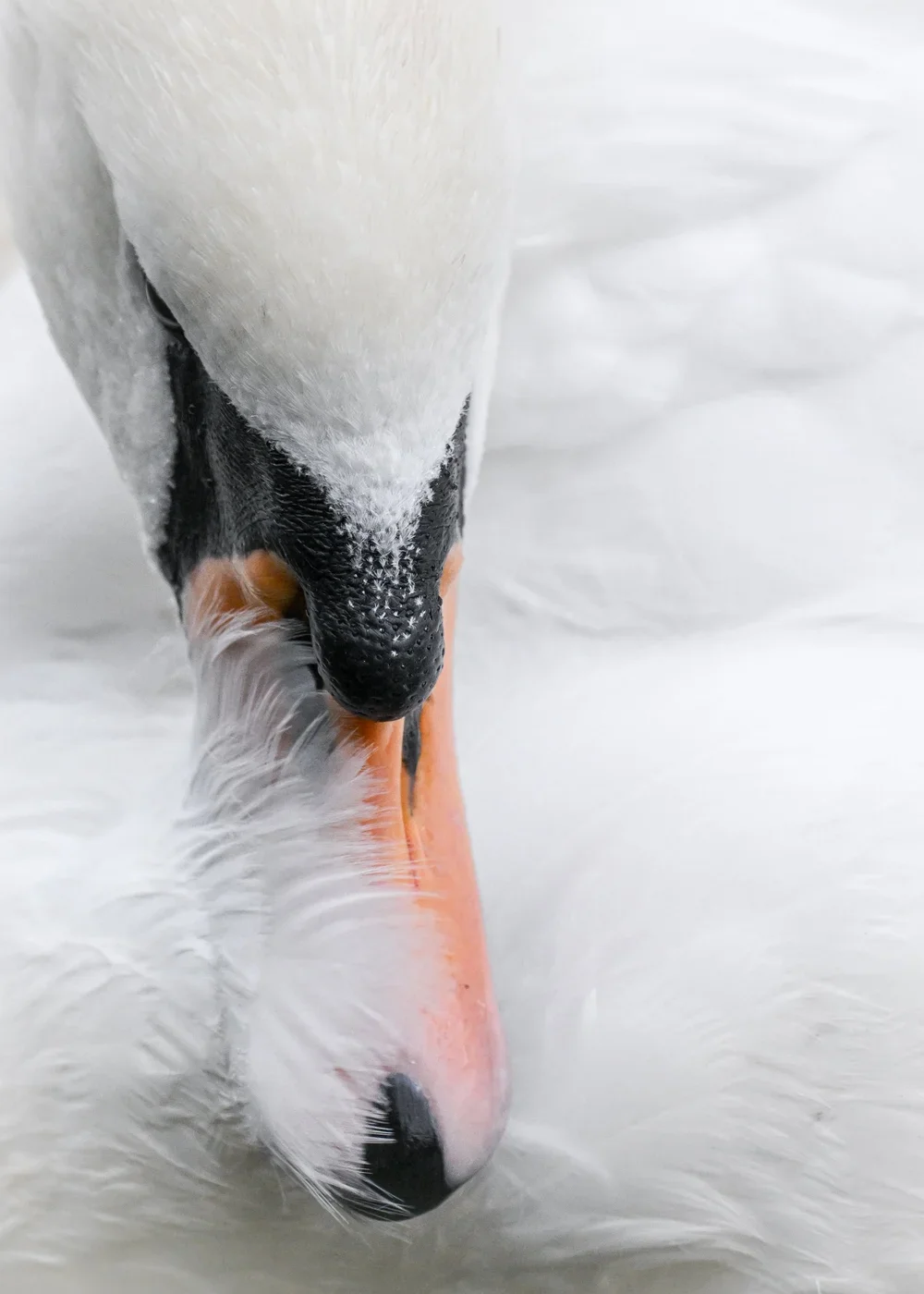
Finally some swan images to finish off this very bird heavy blog edition.
FIN